
PlayerUnknown's survival game is shutting down 6 months after launch: 'I have reached the limits of how far I can continue to fund this journey'
Just over six months after its early access debut, PlayerUnknown's survival game Prologue: Go Wayback! has reached the end of the road, as PlayerUnknown Productions is halting work on the project and laying off staff. The studio said that it hopes to return to the game "at a future point in time," but for now, "we will...
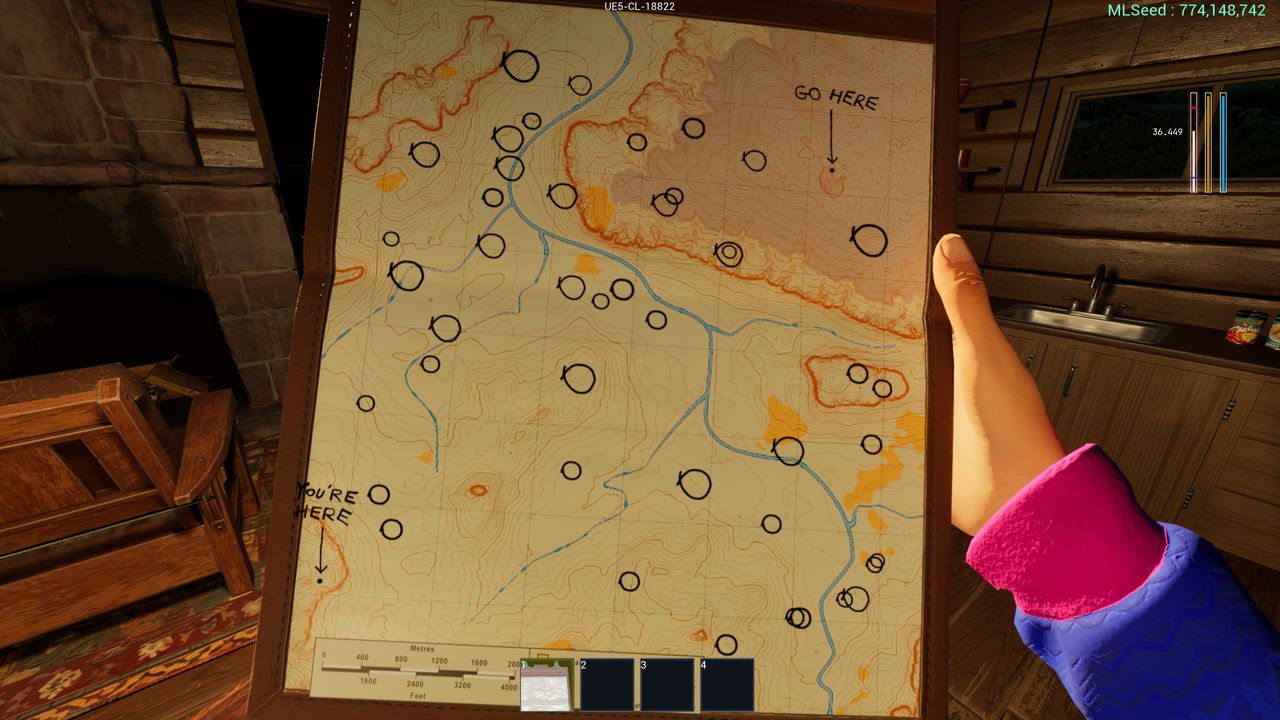
Just over six months after its early access debut, PlayerUnknown's survival game Prologue: Go Wayback! has reached the end of the road, as PlayerUnknown Productions is halting work on the project and laying off staff. The studio said that it hopes to return to the game "at a future point in time," but for now, "we will be unable to complete our early access plans."
"We are currently working on an update that we plan to release soon, which will add new items as well as paths and trails to the game for enhanced exploration," the studio wrote on Steam. "With that update, we also intend to release the game out of early access and make it free for any players who want to check it out in the future. We are also investigating offering refunds to players who have purchased the game."
PlayerUnknown Productions founder Brendan Greene, who left Krafton to found the studio in 2021, went into more detail on the decision in a message posted on X.
"Our goal has been to develop technology that can break the boundaries of scale, which currently limit how large virtual worlds can be," Green wrote. "To achieve this, we built a research team to develop our Melba technology and a team to develop our first practical application of our terrain generation technology: Prologue: Go Wayback!
"Unfortunately I have reached the limits of how far I can continue to fund this journey in its current form. As a result, I have made the hard decision to restructure the studio. We will continue developing our Melba technology with a smaller team, while halting further development of Go Wayback."
Original reporting appears on the publisher’s site.
Open original article →

