
I want to punt Meta's Muse AI mascot back into the cursed void from whence it came
I hate the new mascot for Meta's Muse AI assistant. The company unveiled the fluffy creature, as well as the Tamagotchi-esque Muse Charm device it will call home, (plus a VR headset that isn't really a VR headset) during its yearly Meta Connect conference last week.The goal with Muse is to offer an AI assistant that "y...
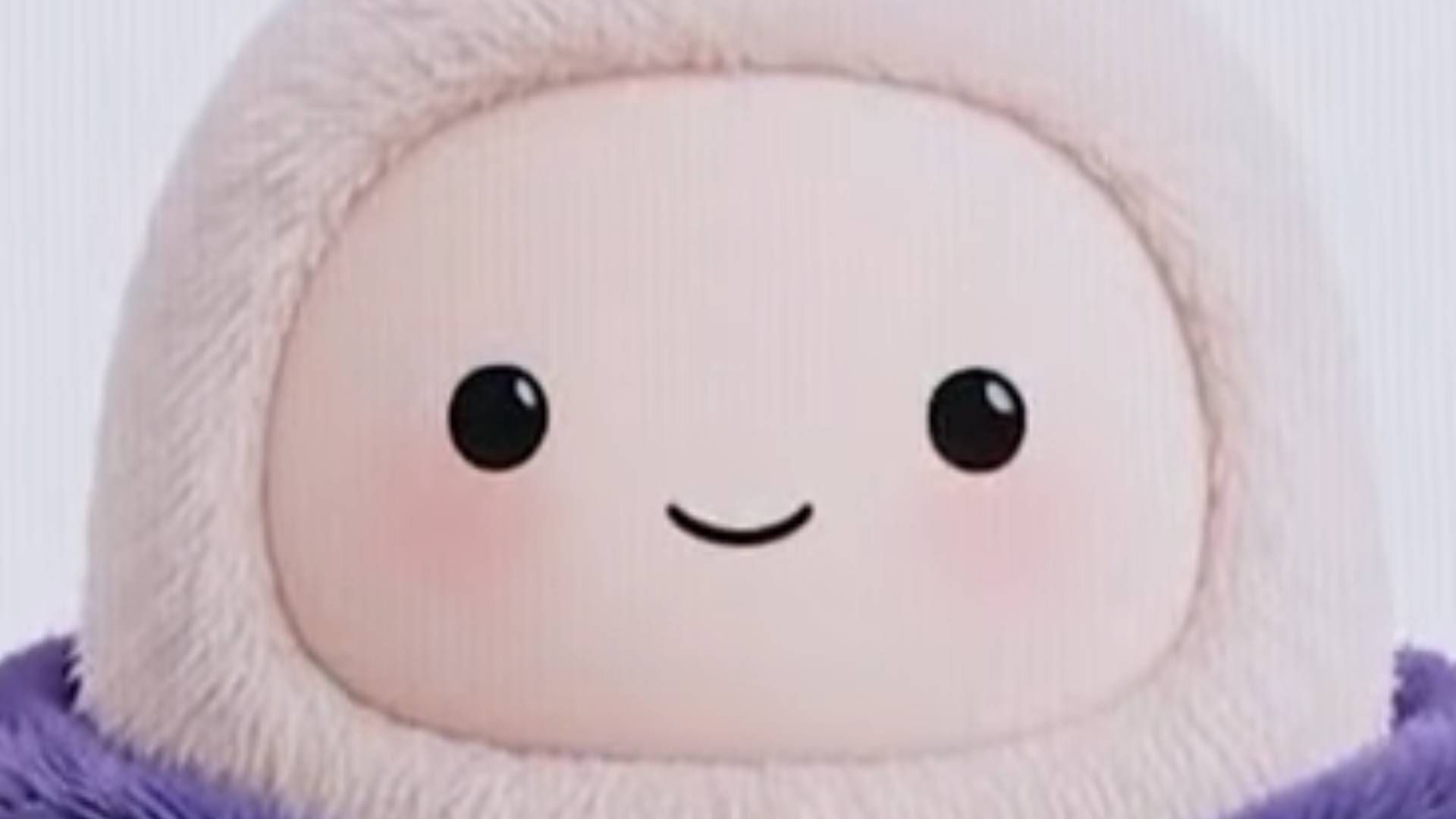
I hate the new mascot for Meta's Muse AI assistant. The company unveiled the fluffy creature, as well as the Tamagotchi-esque Muse Charm device it will call home, (plus a VR headset that isn't really a VR headset) during its yearly Meta Connect conference last week.
The goal with Muse is to offer an AI assistant that "you can talk to in real time and reach in more places throughout your day," according to Meta. User's own Muse avatars can look wildly different, but the furry fiend default avatar that has so offended me is the company face of the entire Muse operation. The mascot's name is 'Jolly' on account of its "jolly and completely customizable character and personality," according to company CEO Mark Zuckerberg (via NBC News).
I hate that this little freak has inspired such a depth of feeling in me. I mean, just look at it. It also doesn't help that it looks a bit like a Doctor Who creature, the Adipose. Whenever I see this thing, I just think about that one scene where a character screams as she explodes into a puddle of sentient fat.
Setting that horrifying image aside, everything about the Muse mascot's design makes me cringe as a connoisseur of cute. The rounded edges, the fur, the blank but pleasant expression—it's all so laser-targeted to mass market appeal that it makes my skin crawl.
Wired compares it to a Labubu, and asks 'Meta’s Muse Is Adults-Only. Why Does It Look Like a Kids’ Toy?' Indeed, at Connect 2026, Mark Zuckerberg made his avatar play dress up like a doll, with the mascot donning a toga.
System 1's chief growth officer, Andrew Tindall, gives further voice to some of my own reservations, saying to Business Insider that Meta is leveraging "our innate draw to cute, infant-like features, to make surprising new technology easier to accept."
VaynerX CMO Avery Akkineni also told the outlet, "In some ways, it does humanize the product a little bit. I am certain that their intention is to make this more widely available and accessible than just for the early-adopter crowd."
Given that Meta may have excess AI data centre capacity, and may be feeling the pressure to see a return on that investment, it's unsurprising it would attempt to pitch Muse to the broadest audience possible. Besides that, efforts to 'humanise' AI and machine learning tech in general are nothing new, and putting a cute face on a product perhaps hungry for your personal data is an obvious play.
Unfortunately, Meta's mascot inspires a feeling stronger than just dispensing with social niceties—this is the face of something I want to punt very far away from myself.
Original reporting appears on the publisher’s site.
Open original article →