
Halo needed to change, but Activision faces a huge challenge to fix it
Microsoft has given up on Halo Studios, the team it formed and recently renamed for the express purpose of making new Halo games. Another victim of the Xbox Reset, the studio has been slashed down to its bones as part of another (but not final) wave of layoffs, and what's left of Halo Studios will now oversee the franc...
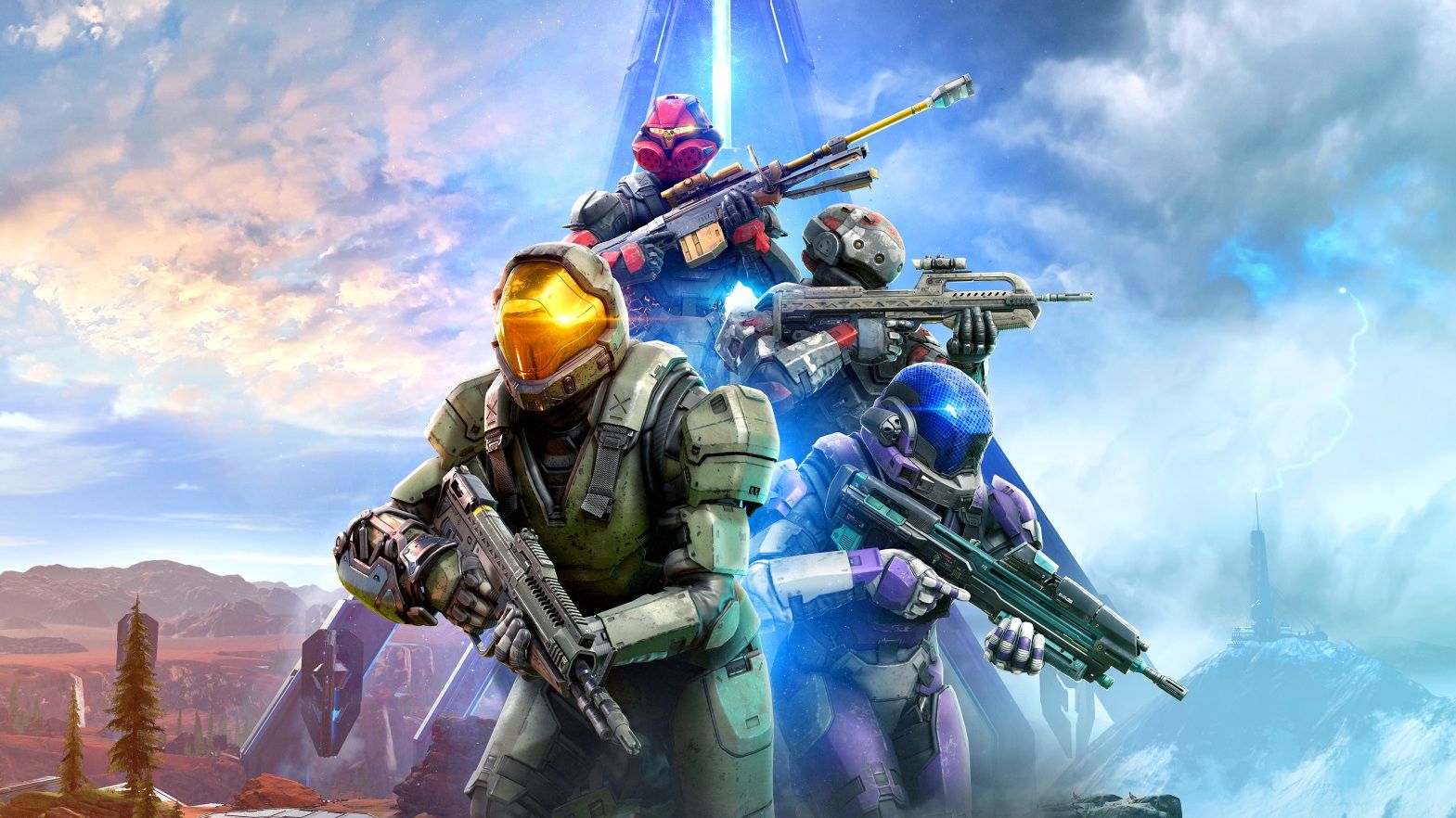
Microsoft has given up on Halo Studios, the team it formed and recently renamed for the express purpose of making new Halo games. Another victim of the Xbox Reset, the studio has been slashed down to its bones as part of another (but not final) wave of layoffs, and what's left of Halo Studios will now oversee the franchise in nebulous-sounding ways. Indeed: Halo Studios is no longer making Halo.
Now Activision is in charge, and as both a Halo and Call of Duty fan, the pairing isn't exciting.
Though I've been a vocal critic of Halo Studios' take on Halo over the years ("Halo Studios has no discernably new take on Bungie's landmark FPS" -Me, 2026), Halo Infinite eventually grew into a strong multiplayer FPS that I sunk hundreds of hours into, and Halo: Campaign Evolved was the team's best effort yet to embrace the series' quirky traditions while keeping an eye toward evolution. Ripping that work away from them a few months after shipping a Halo remake is a drastic move.
Let's take a moment to account for Halo Studios' history.
What Halo Studios got right, in my eyes
- Core Halo multiplayer was in tact: 4v4 arena modes and Big Team Battle
- Art: By Infinite, the studio had found a striking art direction for Halo, and Spartans looked amazing.
- Gunplay: Especially in Infinite, Halo Studios raised the bar for the series
- Maps: Halo maps remained strange, asymmetrical battlegrounds suited for floaty physics
- Forge: Halo's level creator was so powerful enough by Infinite that the community was making minigames and maps good enough to enter the official rotation
And where Halo Studios often got it wrong
- Campaigns: We spent two games shooting at Prometheans, which were like Covenant but worse
- Story: They took Master Chief way too seriously and turned him into a hero of destiny, and somehow made him uncool
- Unpopular experiments: Halo became a testbed for every multiplayer trend of the last decade-plus (create-a-class, loot boxes, battle passes, even MOBA-like modes), which gave every new game an identity crisis
- Timing: Halo Studios struggled to make Halo with regularity. There was a six-year gap between Halo 5 and Infinite, then another five years before Halo: Campaign Evolved.
You can see why Microsoft thinks Activision is suited to fix some of those mistakes—Call of Duty can still produce a decent campaign. While the industry struggles with longer development cycles, Activision has maintained a steady pace.
That pace has come with real compromise—like never knowing if this year's CoD will be embarrassingly bad or merely good enough—and that's why I question if it'll be a worthy steward for what was once among the most celebrated and unique shooters in history. Despite its shortcomings, Halo Infinite stood out by doing things differently than Call of Duty with a slower pace, hipfiring guns, mirrored loadouts, power weapons, and vertical maps that had more in common with classic arena shooters than the 'boots on the ground' generation that Modern Warfare created.
I don't think that the outcome of this is going to be Halo becoming more Call of Duty-like, but I don't trust the Call of Duty machine to be a good influence on Halo, especially as Activision juggles two titanic franchises simultaneously.
No doubt that Activision is eager to put Halo back on the map, but I hope they'll be able to match the attention to detail of the Halo Studios staffers that Microsoft just fired. Say what you will of their final products, but they were massive fans of Halo: This is the studio that didn't stop improving The Master Chief Collection until it was a gold standard of preservation; the studio that allowed community members to rummage through the records and publish an unfinished Halo 2 E3 demo on Steam Workshop; that cared enough about the minutiae of Halo's jump physics and grenade bounces to literally run 15-year-old Halo Reach code under the hood of Campaign Evolved.
Activision will be put in a very challenging creative position: presumably to put some new spin on Halo that will work better than the last few releases, but also to earn fans' trust by preserving whatever aspects of the franchise it deems sacred. How will that play out? Call of Duty is famous for changing up its setting, tone, characters, and gameplay as it bounces from studio to studio. Fans have adapted to the whiplash over the years, but the series' inconsistent identity is a tradeoff that Activision either accepts as part of cranking out annual releases or has chosen to embrace. I don't want something similar to happen to Halo as its makers seek to restore its relevance.
Because honestly, the things I love most about Halo—its streamlined weapon sandbox, emphasis on vehicles, uncomplicated modes, social lobbies, and community-driven custom games—aren't in vogue anymore. If the goal is to transform Halo into one of the most-played multiplayer shooters in the world, I'm just not sure how a studio achieves that while simultaneously preserving what makes Halo great, 25 years later.
Original reporting appears on the publisher’s site.
Open original article →

