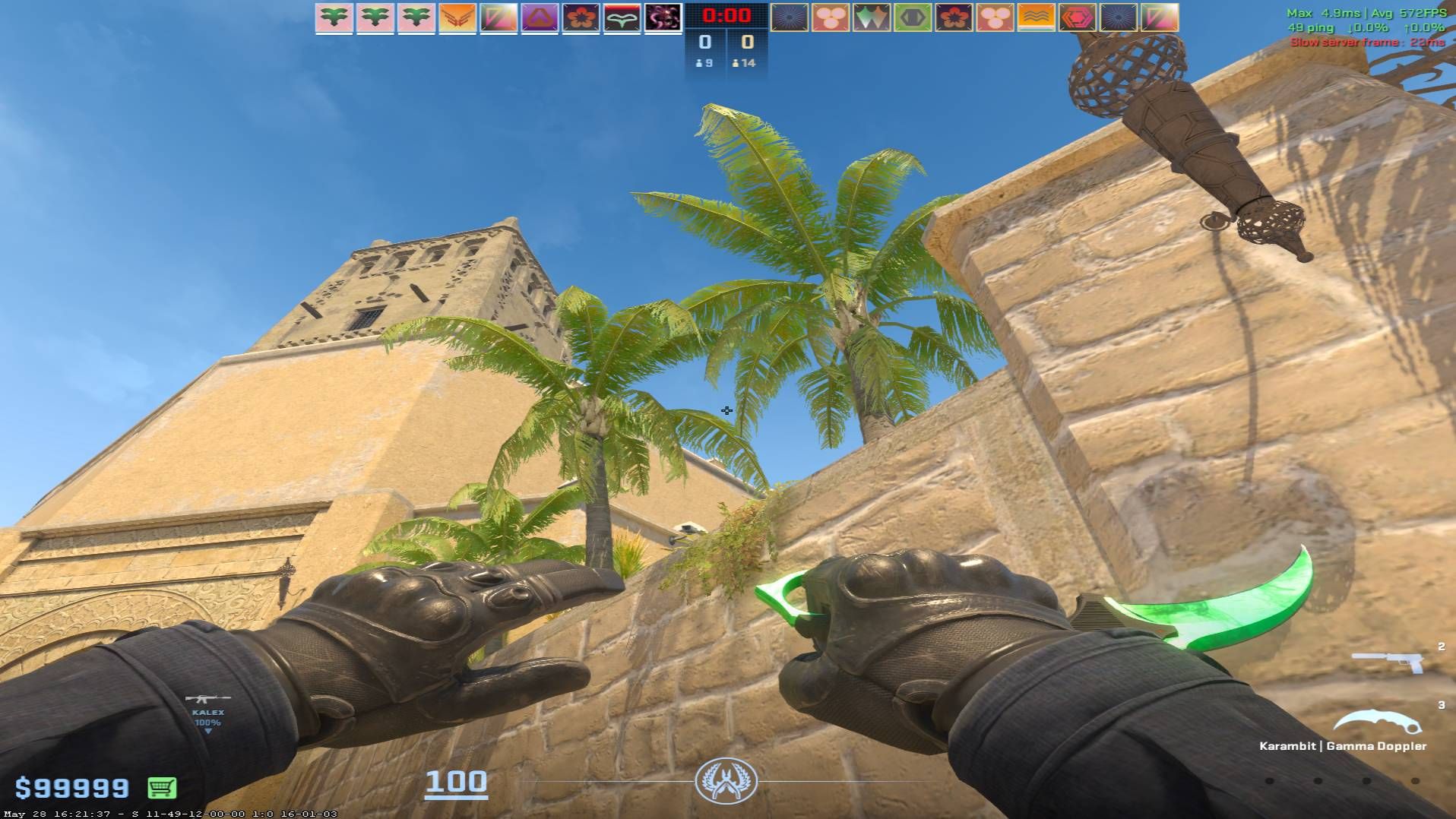
Counter-Strike 2 player dedicates Master's thesis to rooting out cheaters, creates grade A player tracking system
Cheating: it's why we can't have nice things. Whether your online shooter of choice is beset by players targeting you through walls, or you're a Linux user who would definitely be playing more games were it not for kernel-level anti-cheat systems, the actions of a few spoil the fun for many. Banning cheating players is...
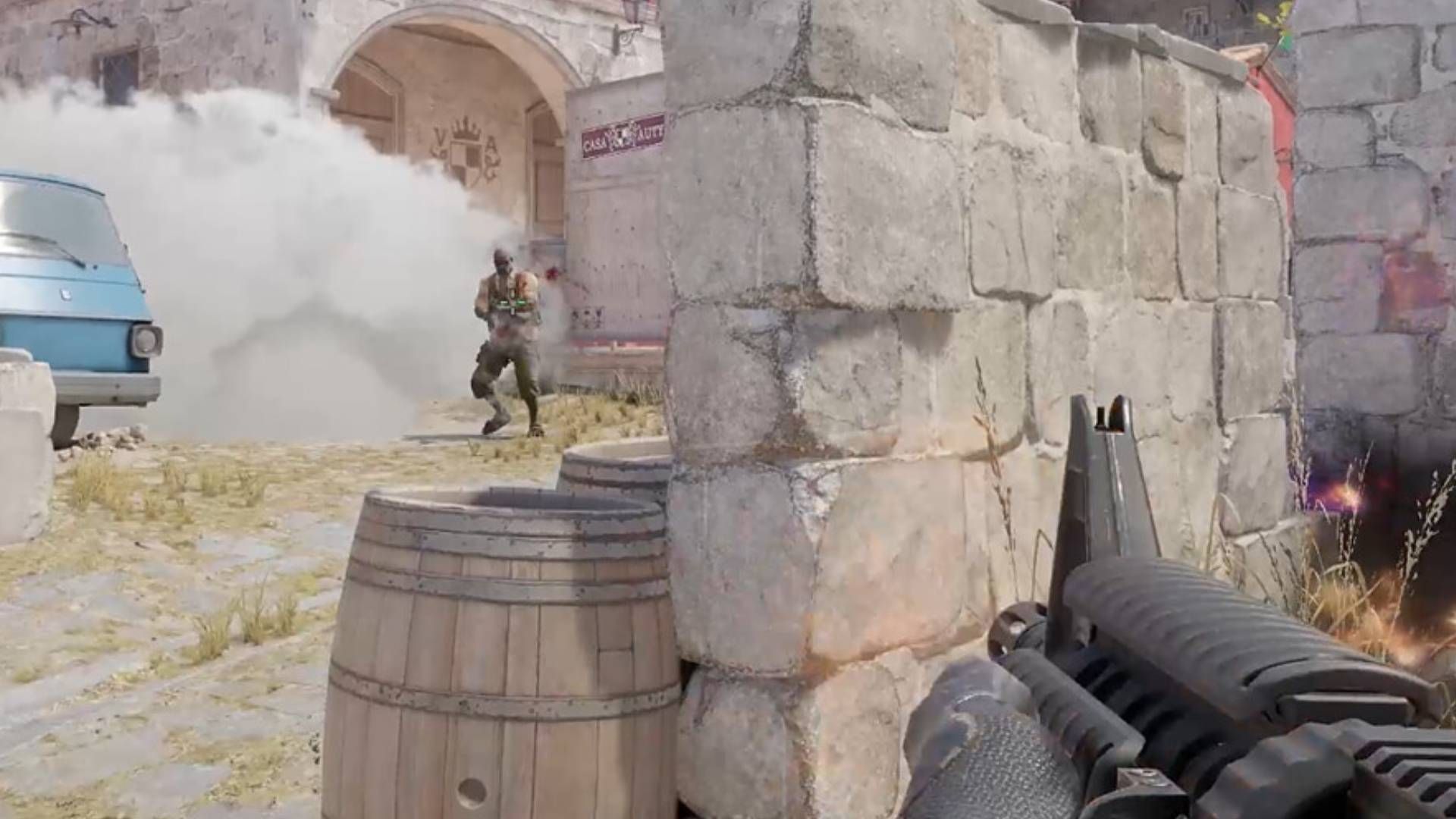
Cheating: it's why we can't have nice things. Whether your online shooter of choice is beset by players targeting you through walls, or you're a Linux user who would definitely be playing more games were it not for kernel-level anti-cheat systems, the actions of a few spoil the fun for many. Banning cheating players is the obvious thing to do, but what's to stop bad eggs making fresh accounts?
A student at the Norwegian University of Science and Technology has a few ideas. Named Christopher B. Didriksen, the student even based his Master's thesis on one possible biometric-based solution. Sharing some of his research findings on Reddit, Didriksen explained that players in Counter-Strike 2 can be differentiated based on how they use their mouse and keyboard in-game. Based on these movements, repeat offenders could then be identified and banned for good.
The researcher analysed a number of 'demos' resulting from competitive CS2 matches. Using the two separate signals from a player's mouse and keyboard during these demos, a 'fingerprint' can be identified that "stays stable across maps, sessions, settings [...] across matches played months apart, and across a sensitivity change from 800 to 640 eDPI." By the sounds of it, you will shine through no matter what bargain bucket peripheral you may use to game.
In a dataset of more than 1,000 players, mouse movement biometrics correctly identified players "every time [...] but often only by a fine margin," and keyboard use "picked out the right player 98% of the time." Cross-referencing these two metrics identifies the humans behind the accounts with a high rate of accuracy. Didriksen writes that this method "found smurfs nobody had reported, and it is fast enough to check every new match against all of CS2's monthly players."
For those a little unclear what those tiny blue fellas have to do with Counter-Strike 2, 'smurf' is the term for a secondary account belonging to an otherwise experienced or high-ranking player. Didriksen proposes that his movement 'finger-printing' system would "sit next to [Valve Anti-Cheat] and Trust Factor and answer the one question they can't. Is this the same human?"
The motivation for Didriksen's thesis was a dissatisfaction with existing anti-cheat and banning systemsâessentially, a banned player could make a new 'smurf' account and be "back in a match the same evening." Didriksen notes his proposed method is not a perfect solution to this problem, as it essentially removes the possibility that a banned player may change their cheating ways on a fresh account. He also notes that his fingerprinting system is easily confounded by shared accounts.
Still, a number of Redditors signed up to participate in Didriksen's research earlier this year, with some even revealing their Smurf accounts. Didriksen says this "turned out to be some of the most valuable data I had." For this reason, he goes on to tell the r/CS2 subreddit, "The thesis is now finished and got an A, and none of it would have been possible without you."
And they said videogames could never teach you anything!
Original reporting appears on the publisher’s site.
Open original article →