
AMD says it's going to beat Intel in total revenue for the very first time by the end of 2026
AMD has just posted another record quarter, with revenue topping $13 billion and its net income sitting at $2.4 billion. That is a lot of billions, and my brain is slightly struggling to comprehend it. But AMD's CFO and treasurer, Jean Hu, is projecting that this success will continue into the next quarter, predicting...
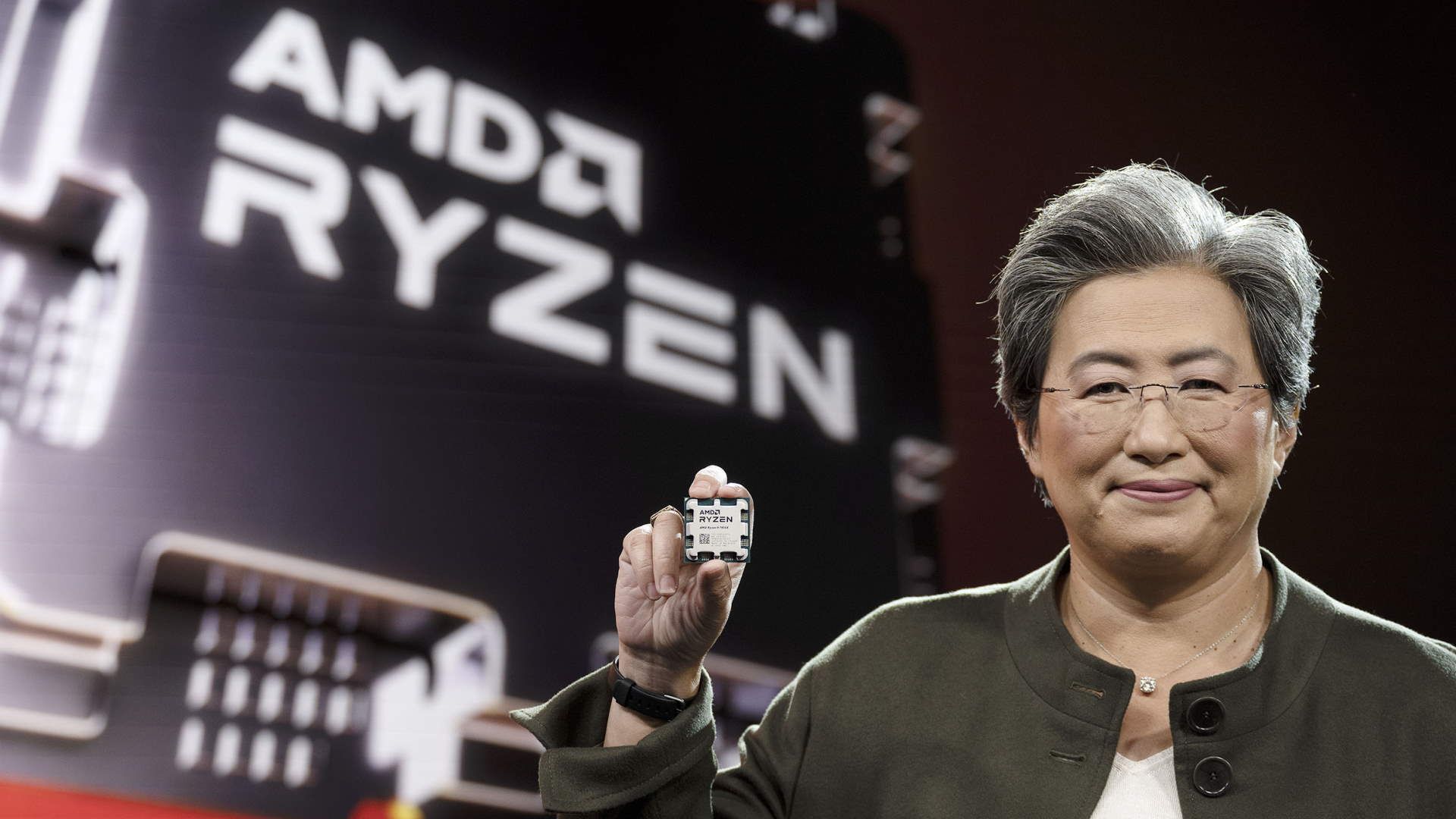
AMD has just posted another record quarter, with revenue topping $13 billion and its net income sitting at $2.4 billion. That is a lot of billions, and my brain is slightly struggling to comprehend it. But AMD's CFO and treasurer, Jean Hu, is projecting that this success will continue into the next quarter, predicting revenue figures of around $17 billion for Q4. Let's just compare that to Intel, which is expecting to continue posting flat, or slightly down, revenue figures of $15 - $16 billion itself.
Such a result would represent the first time that AMD has actually generated higher revenue figures than Intel for its lifetime. Or as far back as I can find the actual revenue figures for anyways.
Whether that will necessarily translate into a higher net income figure for AMD, I'm not entirely sure. Maths is not my strong point, and whether AMD's total revenue going up by another $3 billion will push its net income over the $3 billion mark where Intel currently sits I'm not sure. But it's going to be mighty close for sure.
But net income is not really the significant thing in terms of making history; AMD has been consistently turning a profit since 2018, and in the years up to now there have definitely been times when it has beaten Intel on that score, most notably in 2024 where Intel reported a staggering $18.7 billion loss for the year. AMD made $1.6 billion in that same timeframe. And last year AMD beat Intel again in the profit stakes.
Despite it being a punishing last quarter for Intel in terms of its stock price collapsing, the company did at least return to profitability.
Original reporting appears on the publisher's site.
Open original article →