
The DualSense can still drift, but Sony may be exploring magnetic tech for shape-shifting buttons in whatever comes next
As a console interloper hailing from the PlayStation side of the tracks, I have a soft spot for controller rumble and haptics. It would appear I'm in good company, as a wild Sony patent exploring a fresh avenue for tactile feedback right there in your gamepad has just been published.The patent in question concerns reac...
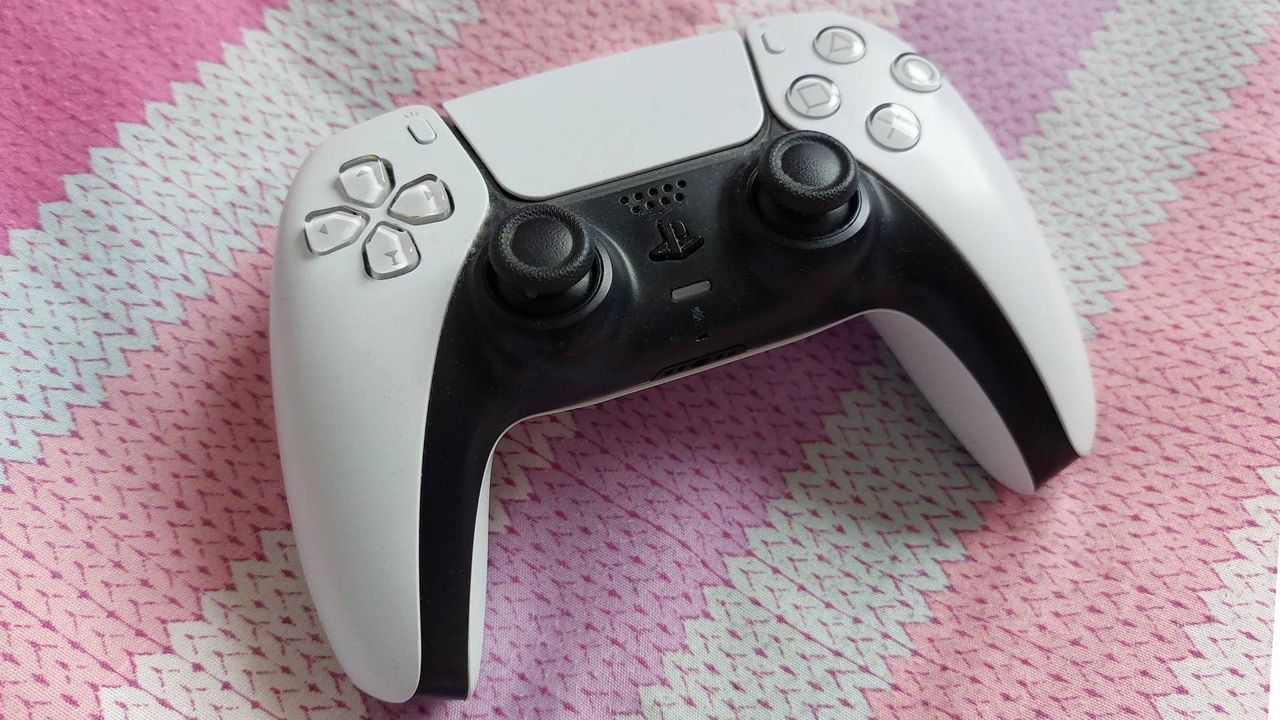
As a console interloper hailing from the PlayStation side of the tracks, I have a soft spot for controller rumble and haptics. It would appear I'm in good company, as a wild Sony patent exploring a fresh avenue for tactile feedback right there in your gamepad has just been published.
The patent in question concerns reactive buttons that can both soften and harden (via Cheat Happens). In theory, this would offer different tactile sensations by altering button hardness in real-time, depending on either the in-game situation or, ahem, personal preference (steady on).
I've definitely complained about 'squidgy' controller face buttons and D-pads in the past, so what's the appeal here? Well, the patent pitches a couple of use-cases, including a terrifying 'finger grab' effect that could grip your thumb tip should you, say, get grabbed while wading across yet another poisoned swamp in a Souls game.
Alternatively, this feature could be used to hold your thumb in place and prevent slippage. I'm not exactly jazzed about potentially having to pry my thumbs away from my gamepad for whatever reason. That said, there's a potential accessibility argument here, with the adaptable buttons changing shape to accommodate palms, wrists, elbows, and so on.
The tech could achieve this shape-shifting effect either through fluid-filled membranes or 'magnetoviscoelastic elastomers'. Not completely dissimilar to magnetic tech you'll already find in your controllers and keyboards, this could cause the reactive buttons to soften or harden depending on the magnetic field strength.
In many ways, the idea of reactive buttons feels like a natural follow-on to the DualSense's detailed haptics. While you can use the DualSense over both a wired and Bluetooth connection on PC, you'll be looking to sources other than Sony for haptic support. I wrote about just one of the unofficial options available, DSX+, yesterday.
Odds are, if we ever do see these reactive buttons on a DualSense successor, Sony won't be the party to bring it to PC; the company has doubled down on making the PS5's tentpole releases, like God of War Laufey, console exclusives, so it seems likely this reactive tech will follow a similar path into the walled garden of PlayStation.
Original reporting appears on the publisher’s site.
Open original article →