
Silicon Motion says 'the retail SSD market has almost disappeared' as NAND shifts towards AI servers and OEMs scoop up the drives that usually sit in our gaming PCs
The RAMpocalypse whooshes ever on, and while it can sometimes be hard to put into perspective exactly what that means, sometimes an insider gives a little insight. To this end, Silicon Motion VP Nelson Duann recently told Tom's Hardware that the retail SSD market is all but kaput."The retail SSD market has almost disap...
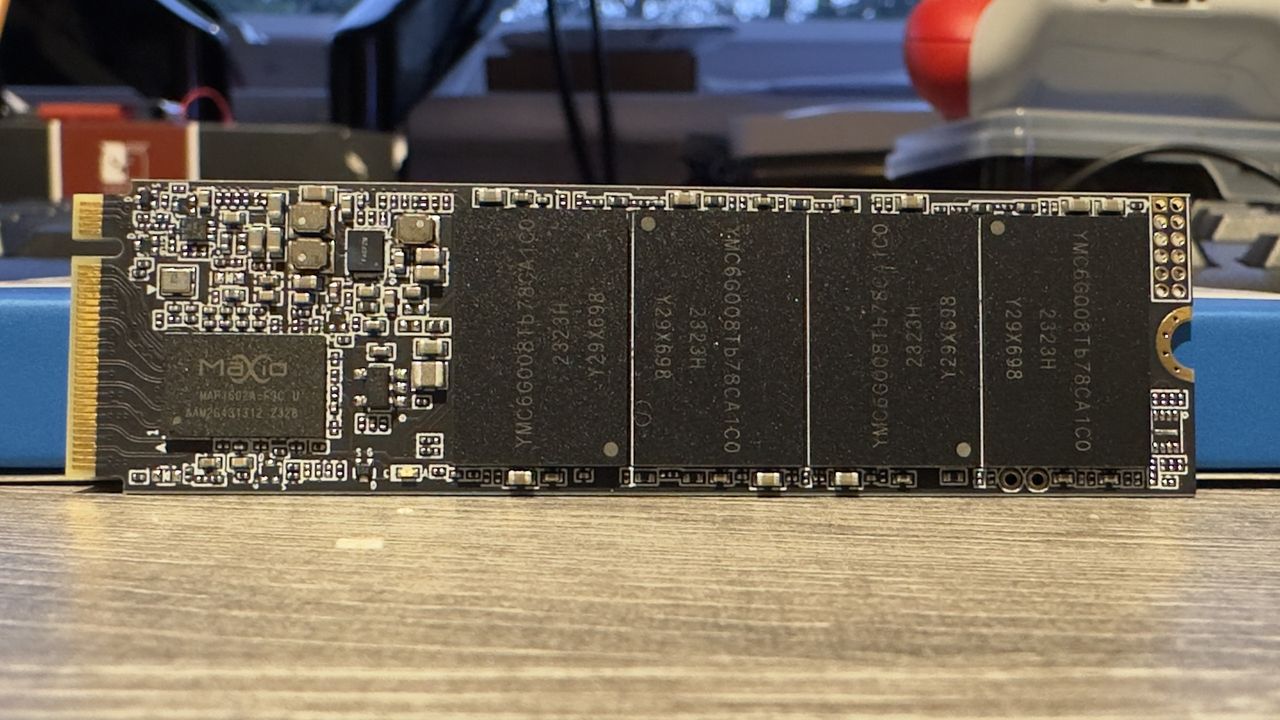
The RAMpocalypse whooshes ever on, and while it can sometimes be hard to put into perspective exactly what that means, sometimes an insider gives a little insight. To this end, Silicon Motion VP Nelson Duann recently told Tom's Hardware that the retail SSD market is all but kaput.
"The retail SSD market has almost disappeared... The controllers we sell to module makers are now largely ending up in SSDs that are shipped to PC OEMs. The reason is that OEMs cannot obtain enough NAND directly from memory manufacturers, so they are increasingly sourcing SSDs from module makers instead."
In other words, where OEMs (think Dell, HP, and so on) would usually bulk-buy NAND from memory makers and turn it into bona fide PC storage themselves (with the help of other bulk-bought parts like microcontrollers), they are no longer doing this. Instead, they are buying SSDs from module makers (think Samsung, SanDisk) because of the increased demand for AI servers.
This means more module maker SSDs like the kind you and I get in our gaming PCs are going to OEMs, which means less in the retail SSD market. And Duann is here suggesting that this is to such an extent that the latter market has almost disappeared.
This has apparently been occurring "since late last year and into this year."
As end-users, we don't get to see all the stock and inventory gubbins that DRAM, SSD, and memory controller companies do. But we do see retailer prices and out-of-stock labels, and it probably goes without saying at this point that things aren't looking good from an end-consumer perspective.
While NAND makers are doing better than they ever have done and SSD companies are purchasing memory from them years in advance, little ol' gamers like you and I are being faced with ever-more expensive storage.
RAM, of course, hasn't been faring any better. RAM and SSD maker Team Group recently gave us all a stark recommendation: "If you need memory, we recommend purchasing it as soon as possible."
Normally, I'd consider that a simple case of 'company encourages people to buy its products', but while that is almost certainly what's going on to an extent, it also rings true—the two things can be true at the same time. The situation doesn't seem like it will improve any time soon, and even if the company was mainly referring to RAM, with Silicon Motion's revelation here, it looks like Team Group's recommendation was apt for storage, too.
Original reporting appears on the publisher’s site.
Open original article →

