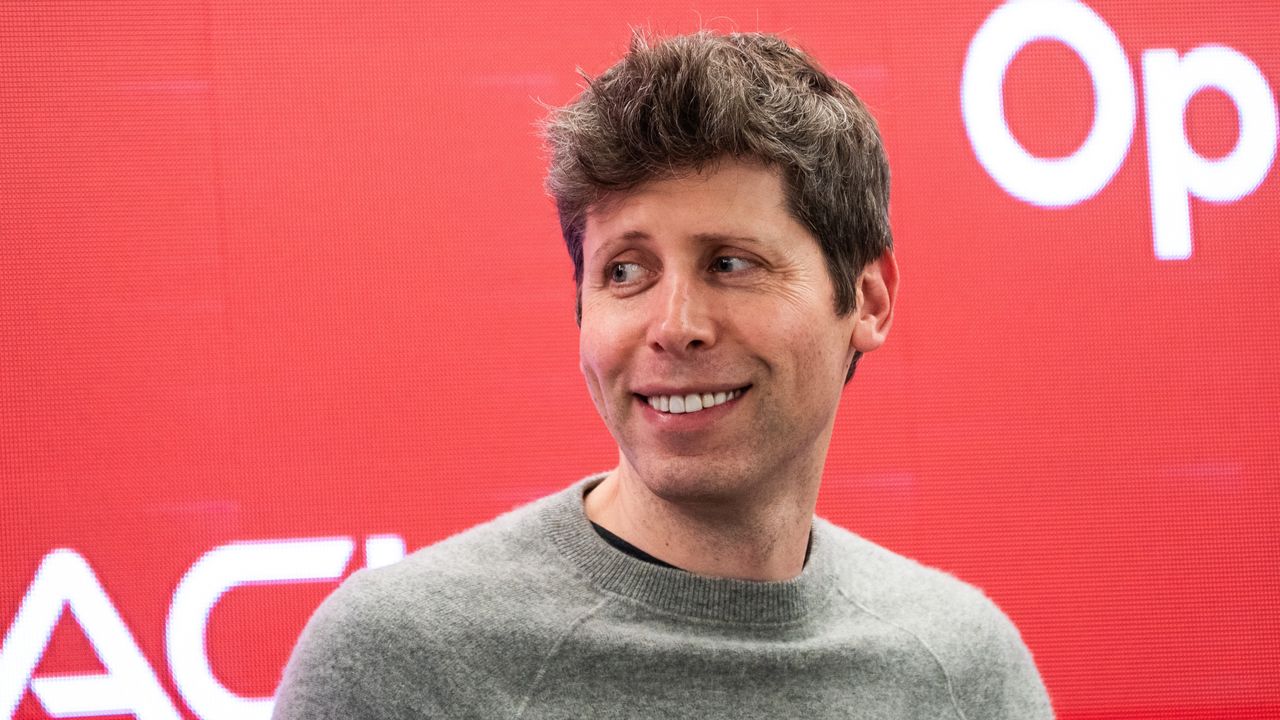
Retiring Valve programmer says 'at least one' of the studio's beloved game modes was made in secret to avoid pushback from peers
Programmer Christopher Green has had a long career in the games industry, with a development history that included Amiga's Flight Simulators, Ultima Underworld, and Magic: The Gathering Online before ultimately working at and retiring from Valve—twice. Green had previously made a six-year attempt at retirement starting...
Programmer Christopher Green has had a long career in the games industry, with a development history that included Amiga's Flight Simulators, Ultima Underworld, and Magic: The Gathering Online before ultimately working at and retiring from Valve—twice. Green had previously made a six-year attempt at retirement starting in 2017, but returned to Valve for another go in 2023.
Earlier this week, Green announced on his blog that he's once again had the "epiphany" that he "might actually enjoy some of those things that I hear retired people do," and is giving the whole end-of-career thing another go—for keeps this time. To mark the occasion, Green hosted a pair of AMAs on Reddit to share some of his thoughts on 45 years in game dev and a Valve tenure stretching all the way back to Half-Life 2.
Answering one redditor's question about what it was like to witness some of Valve's earliest years, Green said leaving his previous job in 2004 "was a huge transition"—particularly because Valve's finances were looking somewhat grim at the time. Previously, he'd worked at independent developer Leaping Lizard Software, where he did the initial rules and card coding for Magic The Gathering Online—something he elsewhere called his dream project, as he remains an MTG fan to this day.
"I had some misgivings at first as Valve was losing money finishing HL2 while my company that I left was profitable and MTGO was generating more revenue than Valve," Green said. "But things got better really quickly."
On his blog, Green says he worked on "a lot of things" during his combined 16 years at Valve: Both Source engines, Day of Defeat: Source, The Orange Box, both Portals, and more. And yes, that entailed "hundreds" of encounters with Valve co-founder and president Gabe Newell, who Green described as "a little inscrutable honestly."
Evidently, however, Valve's mythical self-directed work structure—in which its employees are ostensibly free to pursue projects according to their own interests and discretion—might not be quite as self-directed as even Valve's own employee handbook would indicate. Asked whether Valve staff are really free to work on their own projects until it aligns with other work at the studio, Green said that's only "sort of" true.
"Especially if you are new, you'll encounter a lot of pushback if what you think you should work on is too far off in the weeds," Green said. "At least one successful loved game mode was made semi-undercover by a single programmer who was the only one who believed in it."
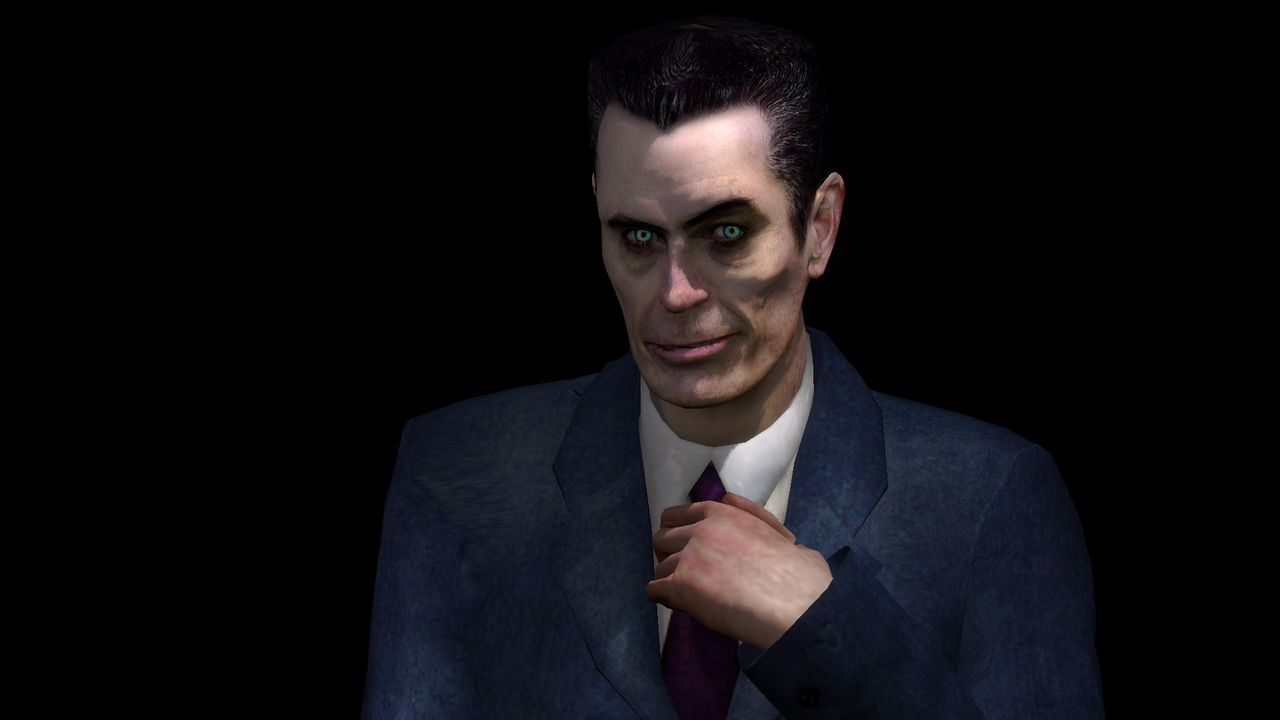
That game mode, he revealed, was the beloved HL2DM. How different—and devoid of sawblade kills—the world could have been had things gone otherwise.
PC Gamer's Chris Livingston called Half-Life 2 Deathmatch "the best multiplayer mode ever" in a 2024 retrospective, though he admitted "There wasn't anything particularly special about Half-Life 2: Deathmatch: it was just a bunch of arenas built from hunks of Half-Life 2 campaign maps with a few weapons scattered around them." (Chris also admitted he mostly loved it because he won a lot). All HL2DM needed was the gravity gun to stand out from everything else at the time.
It's not the first time we've heard that Valve's flat work structure can present some issues. In 2023, People Make Games released a report including interviews with current and former studio employees, who claimed that the organizational structure can warp workplace dynamics and reinforce Valve's lack of diversity.
Green's second retirement from Valve means he's once again relinquishing his employee privilege of full access to every game on Steam. Still, from his description, it sounds like he'll be computing in comfort:
"My home office has a 100GB ethernet cluster with >512 cores, a bunch of GPUs, a large format fine-art printer, and a serious set of electronic and mechanical tools," said in his retirement announcement. "So I do have plenty of ideas for things I want to work on, and people to collaborate with, but they are more likely to show up on github, or one-off personal projects than commercial games."
Would that we could all be so lucky. And here I'm hoping I get to have even the one retirement.
2026 games: All the upcoming games
Best PC games: Our all-time favorites
Free PC games: Freebie fest
Best FPS games: Finest gunplay
Best RPGs: Grand adventures
Best co-op games: Better together
Original reporting appears on the publisher’s site.
Open original article →